Here's why:
* Active transport requires energy (usually ATP) to move substances across a cell membrane against their concentration gradient (from an area of low concentration to an area of high concentration).
* Endocytosis is a form of active transport where the cell membrane engulfs a substance, forming a vesicle that transports the substance into the cell.
Here are the two main types of endocytosis:
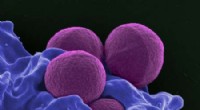
* Phagocytosis: The cell engulfs large solid particles, like bacteria or cellular debris.
* Pinocytosis: The cell engulfs fluids and dissolved substances.
Key Points:
* Energy requirement: Active transport, including endocytosis, needs energy to move substances against their concentration gradient.
* Membrane invagination: In endocytosis, the cell membrane invaginates (folds inward) to surround the substance, forming a vesicle.
* Specificity: Some forms of endocytosis can be specific, meaning the cell can target particular molecules for uptake.
While endocytosis is the primary process involved in bringing food into the cell via active transport, other forms of active transport may also contribute to nutrient uptake.