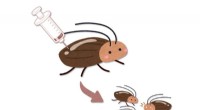
Exogenous RNA refers to RNA molecules that originate outside of a cell. This means they are not produced by the cell itself, but rather come from an external source.
Here's a breakdown:
Origin:
* Viruses: Many viruses use RNA as their genetic material, and when they infect a cell, their RNA becomes exogenous.
* Bacteria: Some bacteria release RNA molecules that can influence the behavior of other cells.
* Other organisms: RNA can be transferred from one organism to another, for example, through food consumption or environmental exposure.
* Artificial sources: Researchers can introduce exogenous RNA into cells for therapeutic purposes or to study gene expression.
Types:
* Messenger RNA (mRNA): Carries genetic information from DNA to ribosomes, where proteins are made.
* MicroRNA (miRNA): Small RNA molecules that regulate gene expression by silencing other mRNAs.
* Small interfering RNA (siRNA): Similar to miRNA, they also silence gene expression by targeting specific mRNA sequences.
* Long non-coding RNA (lncRNA): Long RNA molecules that don't encode proteins but have diverse functions in the cell.
Importance:
* Viral infection: Exogenous viral RNA can be detected to diagnose viral infections.
* Therapeutic applications: Exogenous RNA, especially mRNA and siRNA, is used for gene therapy and drug delivery.
* Research tool: Exogenous RNA is used in research to study gene expression and cellular processes.
* Environmental monitoring: Exogenous RNA can be used to detect pathogens and other organisms in the environment.
Challenges:
* Delivery: Getting exogenous RNA into cells effectively can be a challenge.
* Immune response: The body can sometimes recognize exogenous RNA as foreign and mount an immune response.
* Stability: Exogenous RNA is often fragile and can degrade quickly.
Overall, exogenous RNA plays a crucial role in various biological processes and holds significant potential for medical and research applications. Understanding its properties and behavior is essential for developing new therapies and unraveling biological mysteries.