1. Microscopy and Imaging:
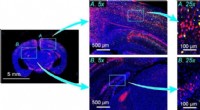
* Light Microscopy: Improved resolution and techniques like fluorescence microscopy allow visualization of cellular structures, organelles, and even dynamic processes within living cells.
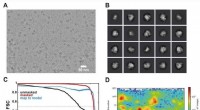
* Electron Microscopy: Provides ultra-high resolution images, revealing the intricate details of subcellular structures, viruses, and even individual molecules.
* Confocal Microscopy: Creates 3D reconstructions of cells and tissues, enhancing our understanding of their structure and function.
* Super-resolution Microscopy: Techniques like STED and PALM overcome the diffraction limit of light, allowing visualization of structures smaller than the wavelength of light.
2. Molecular Biology and Genetics:
* DNA Sequencing: Rapid and cost-effective DNA sequencing technologies (e.g., Sanger sequencing, Next-Generation Sequencing) have enabled the deciphering of entire genomes, providing a blueprint of life.
* PCR (Polymerase Chain Reaction): This technique amplifies specific DNA sequences, allowing for the detection and analysis of even minute amounts of genetic material.
* CRISPR-Cas9: This revolutionary gene editing tool allows scientists to precisely alter DNA sequences, facilitating gene therapy, disease modeling, and fundamental research into gene function.
3. Bioinformatics and Data Analysis:
* Bioinformatics: The use of computational tools for analyzing vast amounts of biological data, including genomic sequences, protein structures, and cellular pathways.
* High-throughput Screening: Automation and robotics enable the analysis of thousands of samples simultaneously, speeding up drug discovery and other research processes.
* Machine Learning and Artificial Intelligence: These techniques are being used to analyze complex biological data, predict protein structures, and identify drug targets.
4. Experimental Tools:
* Genetic Engineering: The ability to manipulate genes allows scientists to create model organisms with specific mutations, enabling research into gene function and disease mechanisms.
* Cell Culture: In vitro cell culture techniques allow the study of cells and tissues in a controlled environment, providing insights into their behavior and responses to various stimuli.
* Animal Models: The use of genetically modified animals (e.g., mice) allows scientists to study complex biological processes in living organisms.
5. Big Data and Collaboration:
* Open Access Data: Initiatives like GenBank and the Human Genome Project have made vast amounts of biological data freely available, fostering global collaboration and accelerating scientific discoveries.
* Online Databases: Specialized databases store and organize biological information, providing researchers with easy access to essential data for their studies.
Overall impact: These technological advances have transformed our understanding of life on multiple levels, from the microscopic world of cells and molecules to the grand scale of evolution and biodiversity. They have allowed us to:
* Decipher the genetic code: Understand how genes are regulated and how they influence development, disease, and evolution.
* Explore the complexity of cellular processes: Visualize and analyze the intricate workings of cells, organelles, and biochemical pathways.
* Unravel the mysteries of evolution: Trace the evolutionary history of species and identify the genetic changes that drive adaptation.
* Develop new diagnostic tools and treatments: Develop personalized medicine, gene therapy, and novel drugs based on a deep understanding of biological processes.
Technology continues to evolve rapidly, promising even more groundbreaking discoveries in the future. The intersection of biology and technology is paving the way for a deeper understanding of life and its intricate workings.