1. Artificial Intelligence and Machine Learning in Biology:
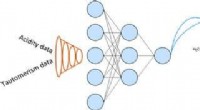
* Drug discovery and development: AI is being used to analyze vast datasets and identify potential drug candidates, accelerating the process of finding treatments for diseases.
* Predictive modeling: AI models are being used to understand complex biological systems, like predicting how organisms will respond to environmental changes.
* Personalized medicine: AI can help tailor treatments based on a patient's unique genetic makeup and other factors.
2. CRISPR and Gene Editing:
* Treating genetic diseases: CRISPR-Cas9 technology allows for precise editing of genes, opening up the possibility of curing inherited diseases.
* Engineering crops and livestock: Gene editing can enhance crops for higher yield and nutritional content, and improve livestock traits for disease resistance and productivity.
* Ethical considerations: The ethical implications of altering the human genome are being debated vigorously.
3. Synthetic Biology:
* Building new biological systems: Scientists are creating artificial cells and organisms with novel functions, such as producing biofuels or cleaning up pollutants.
* Engineering life: Synthetic biology can help us understand the fundamental principles of life and potentially create new forms of life.
* Applications in various fields: Synthetic biology is being used in medicine, agriculture, materials science, and energy production.
4. Microbiome Research:
* Understanding the role of microbes in health and disease: The human microbiome is being studied for its influence on immunity, metabolism, and mental health.
* Developing microbiome-based therapies: Microbiome-modulating therapies are being explored for conditions like obesity, inflammatory bowel disease, and autism.
* Applications in agriculture and the environment: Microorganisms play crucial roles in soil fertility, nutrient cycling, and bioremediation.
5. Neuroscience and Brain Research:
* Unraveling the mysteries of the brain: Advancements in brain imaging and other technologies are revealing how the brain works and what causes neurological disorders.
* Developing new treatments for brain disorders: Research is ongoing for treatments for Alzheimer's disease, Parkinson's disease, and mental health conditions.
* Brain-computer interfaces: Research into brain-computer interfaces is exploring the potential for controlling external devices with the mind.
6. Environmental Biology:
* Climate change impacts: Scientists are studying the effects of climate change on biodiversity, ecosystems, and human health.
* Conservation efforts: Research is being conducted to understand how to protect endangered species and conserve biodiversity.
* Sustainable solutions: Scientists are working on developing environmentally friendly technologies and practices.
7. Evolution and Genomics:
* Evolutionary genomics: Scientists are using genomic data to study evolution and how species adapt to their environments.
* Human evolution: Ongoing research is shedding light on the history of human evolution and our relationship to other primates.
* Personalized genomics: Genomics is being used to develop personalized treatments and diagnose diseases based on individual genetic information.
These are just some of the most exciting areas of research in biology. The field is constantly evolving, and new discoveries are being made all the time.
Remember, this is just a starting point. To stay up-to-date on the latest developments in biology, you can follow reputable scientific journals, online resources, and news outlets that cover science and technology.