Here's a breakdown:
What does it involve?
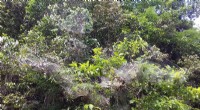
* Exploration: Scientists and researchers travel to different regions, focusing on areas with high biodiversity.
* Collection: They collect samples of organisms, like plants, fungi, bacteria, or even insects.
* Screening: These samples are then analyzed in labs to identify potential uses in various fields.
* Development: If promising compounds or genetic sequences are discovered, further research and development are conducted to create products.
Examples of bioprospecting:
* Medicinal plants: Finding new natural ingredients for medicines, like the discovery of the anticancer drug Taxol from the Pacific yew tree.
* Bioactive compounds: Identifying new enzymes, toxins, or pigments that could be used in various industries, like food, cosmetics, or agriculture.
* Genetic resources: Searching for genes with potential for biotechnological applications, like disease resistance genes in plants or genes for enhanced production in microorganisms.
Benefits of bioprospecting:
* New products: Leads to the development of valuable products in various industries.
* Economic development: Can create jobs and stimulate economic growth in regions where bioprospecting takes place.
* Conservation: Bioprospecting can help protect biodiversity by highlighting its value and incentivizing conservation efforts.
Challenges of bioprospecting:
* Ethical concerns: Questions about fair access to genetic resources and benefit sharing with local communities.
* Biopiracy: The illegal exploitation of genetic resources without proper consent or compensation.
* Environmental impact: Unsustainable collection practices can threaten biodiversity.
Key points to remember:
* Bioprospecting is a complex field with both potential benefits and challenges.
* Ethical and sustainable practices are crucial to ensure long-term benefits from bioprospecting.
* It's essential to involve local communities and indigenous peoples in bioprospecting activities to ensure fair and equitable sharing of benefits.
In conclusion, bioprospecting is a promising field with the potential to unlock valuable resources from nature. However, it needs to be conducted responsibly and sustainably to maximize its benefits while minimizing its risks.