Cellular Biology:
* Cell Model:
* 3D Model: Using clay, foam balls, pipe cleaners, etc. to represent different cell organelles.
* Cross-section Model: Drawing or using construction paper to show the internal structure of a cell.
* Interactive Model: Using a computer program or online tool to explore the 3D structure of a cell and its components.
* DNA Model:
* Double Helix Model: Using pipe cleaners or beads to represent the sugar-phosphate backbone and nucleotides.
* Ladder Model: Using cardboard or paper to create a visual representation of the DNA structure.
* Mitosis and Meiosis Models:
* Cardboard Model: Using different colored pieces of cardboard to represent chromosomes and their movement during cell division.
* String and Bead Model: Using beads to represent chromosomes and string to represent the spindle fibers.
Organ Systems:
* Digestive System Model:
* Human Body Model: Using foam board or cardboard to create a cut-away view of the digestive system.
* Food Journey Model: Using a diagram or a sequence of pictures to show the journey of food through the digestive tract.
* Circulatory System Model:
* Heart Model: Using a cardboard box or clay to create a 3D model of the heart.
* Blood Flow Model: Using string or yarn to represent blood vessels and different colored beads to represent different types of blood cells.
* Respiratory System Model:
* Lung Model: Using balloons and plastic bottles to demonstrate how lungs expand and contract during breathing.
* Air Flow Model: Using a diagram or a physical model to show the path of air through the respiratory system.
Ecology:
* Food Web Model:
* String and Bead Model: Using different colored beads to represent different organisms and string to show the feeding relationships between them.
* Interactive Model: Using a computer program or online tool to create and explore a food web.
* Ecosystem Model:
* Diorama: Using various materials to create a miniature representation of a specific ecosystem.
* Layered Model: Using different materials to represent different layers of an ecosystem, such as soil, plants, and animals.
Evolution:
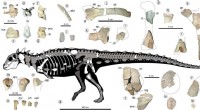
* Fossil Model:
* Clay Model: Using clay to create replicas of different fossils.
* Cast Model: Using plaster or other materials to create a mold of a fossil and then a cast.
* Natural Selection Model:
* Cardboard Model: Using different colored cardboard pieces to represent organisms with different traits and simulating environmental pressures.
* Computer Simulation: Using a computer program or online tool to simulate the process of natural selection.
Other Biology Models:
* Plant Life Cycle Model:
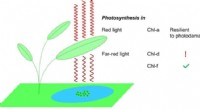
* Diagram: Drawing a diagram showing the stages of a plant's life cycle.
* Timelapse Video: Creating a timelapse video of a plant growing from seed to maturity.
* Animal Adaptation Model:
* Animal Puppet Show: Using puppets to demonstrate different animal adaptations and how they help them survive.
* Interactive Model: Using a computer program or online tool to explore different animal adaptations.
Remember to adjust the complexity of the models based on the students' understanding and learning objectives. Encourage creativity and collaboration, and make the learning process interactive and engaging!