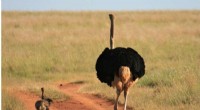
A biotic relationship is any interaction between living organisms within a shared environment. This encompasses a vast spectrum of interactions, from the delicate balance of a flower and its pollinator to the fierce competition between predators and prey.
Here's a breakdown of key aspects of biotic relationships:
Types of Biotic Relationships:
* Symbiosis: This is a close and long-term interaction between two different species. It can be:
* Mutualism: Both species benefit from the relationship. Example: Bees pollinating flowers.
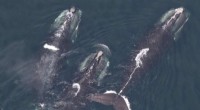
* Commensalism: One species benefits while the other is neither harmed nor helped. Example: Barnacles attaching to whales for transportation.
* Parasitism: One species benefits at the expense of the other. Example: Tapeworms living in the intestines of animals.
* Predation: One organism (the predator) kills and consumes another (the prey). Example: A lion hunting a zebra.
* Competition: Two or more species compete for the same resources, such as food, water, or shelter. Example: Different types of birds competing for nesting sites.
* Amensalism: One species is negatively affected while the other is unaffected. Example: A large tree shading out smaller plants.
Importance of Biotic Relationships:
* Ecosystem Stability: These interactions contribute to the balance and stability of ecosystems. For example, predators help control prey populations, preventing overgrazing.
* Evolutionary Dynamics: Biotic relationships drive evolutionary change. Species adapt and evolve based on the pressures imposed by other species.
* Food Webs: Biotic relationships form intricate food webs, where energy and nutrients flow through ecosystems.
Examples of Biotic Relationships:
* Mutualism: A clownfish living in a sea anemone, gaining protection from predators and providing the anemone with food scraps.
* Commensalism: A remora fish attaching to a shark, gaining a free ride and access to food scraps.
* Parasitism: A tick feeding on the blood of a dog, causing discomfort and potentially disease.
* Predation: A wolf hunting a deer for food.
* Competition: Two different species of squirrels competing for the same nuts.
Understanding biotic relationships is crucial for comprehending the complexity of life on Earth and the intricate connections between organisms within ecosystems.