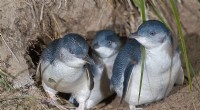
* Locomotion is a common feature: Many animals, plants, and even some fungi have developed ways to move. This movement is essential for finding food, escaping predators, reproducing, and exploring their environment.
* Diverse methods of movement: Multicellular organisms use a variety of methods for locomotion, including:
* Muscles and skeletons: Animals often use muscles attached to bones or other structures to create movement.
* Cilia and flagella: Some organisms, like protists and some cells in animals, use hair-like structures called cilia and flagella to move.
* Pseudopodia: Some organisms, like amoebas, use temporary extensions of their cytoplasm called pseudopodia for movement.
* Jet propulsion: Some organisms, like jellyfish, use water propulsion to move.
* Examples: Think of a dog running, a bird flying, a fish swimming, a worm crawling, or a plant growing towards the sun. All of these organisms exhibit movement on their own.
It's important to note: Not all multicellular organisms move. For example, trees and corals are stationary and rely on external factors for movement (like the wind or water currents).