Here's why:
* Structure: The cell membrane is composed of a phospholipid bilayer, which has a hydrophilic (water-loving) head and a hydrophobic (water-fearing) tail. This structure creates a barrier between the watery environment inside the cell (cytoplasm) and the watery environment outside the cell.
* Selective Permeability: The membrane is selectively permeable, meaning it allows some substances to pass through while blocking others. This selectivity is based on several factors:
* Size: Small molecules like water, oxygen, and carbon dioxide can pass through the membrane easily. Larger molecules, like proteins and carbohydrates, have a harder time.
* Charge: Charged molecules, like ions, have difficulty crossing the membrane.
* Lipid Solubility: Molecules that are soluble in lipids (like fats) can easily pass through the membrane. Molecules that are not lipid-soluble struggle to cross.
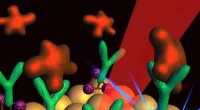
* Transport Mechanisms: The membrane has specialized proteins embedded in it that assist in transporting substances across. These proteins can act as channels, carriers, or pumps. Some transport mechanisms require energy, while others are passive.
Why is this selectivity important?
* Maintaining homeostasis: The cell membrane helps regulate the internal environment of the cell, ensuring the right balance of nutrients, water, and waste products.
* Protecting the cell: The membrane protects the cell from harmful substances in the environment.
* Communication: The membrane allows for communication between the cell and its surroundings.
In short, the cell membrane's selective permeability is essential for the cell's survival and function. It carefully controls the flow of materials in and out, allowing the cell to maintain a stable internal environment and perform its vital tasks.