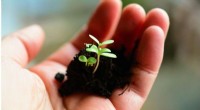
Succession in biology describes the gradual process of change in the species structure of an ecological community over time. It's like a natural "relay race" where different groups of organisms take over an area, each leaving a mark that shapes the environment for the next.
Here's a breakdown:
Key Concepts:
* Pioneer Species: The first organisms to colonize a barren area (like volcanic rock or a glacier retreat). They are often hardy and can survive harsh conditions.
* Primary Succession: This occurs in areas with no previous life, like bare rock. It's a slow process, starting with pioneer species like lichens and mosses.
* Secondary Succession: This happens in areas where a previous community has been disrupted, like a forest fire or abandoned farmland. It starts with existing soil and is generally faster than primary succession.
* Climax Community: The stable and mature community that develops at the end of succession. It is often diverse and complex, reaching a balance with its environment.
* Successional Stages: The stages of change during succession, each marked by different dominant species.
Examples of Succession:
* Bare rock: Lichens and mosses break down rock, creating soil. Grasses and small shrubs follow, paving the way for larger trees and eventually a forest.
* Abandoned field: Weeds quickly colonize the open space, followed by grasses and shrubs. Over time, trees may establish themselves and create a mature forest.
* Lake: Sediments build up, eventually filling the lake and creating a wetland. This can eventually give way to a meadow or forest.
Factors Influencing Succession:
* Climate: Temperature, rainfall, and sunlight influence the types of plants and animals that can survive.
* Soil: Nutrient availability, texture, and water-holding capacity affect plant growth.
* Disturbances: Events like fires, floods, and storms can reset succession to an earlier stage.
* Species interactions: Competition for resources, predation, and disease can affect the success of different species.
Understanding Succession:
Succession is a fundamental ecological process that explains how ecosystems develop and change over time. It highlights the interconnectedness of living organisms and their environment, and shows how communities adapt to changing conditions.
Further Information:
To learn more about succession, search for:
* Primary Succession: Focuses on the colonization of barren land.
* Secondary Succession: Emphasizes the recovery of a disturbed ecosystem.
* Climax Community: Explores the final stage of succession.
* Successional Stages: Provides a detailed look at the different stages of change.
* Factors Influencing Succession: Examines the drivers of change in ecosystems.