1. Morphological Comparisons:
* Anatomy: Comparing the structures of organisms, such as their bones, muscles, organs, and external features. This can reveal evolutionary relationships and shared ancestry.
* Physiology: Examining the functions of the body, including metabolism, respiration, and circulation. Similar physiological adaptations often indicate a close relationship.
* Embryology: Studying the development of embryos, which can reveal similarities in early stages that may not be apparent in adults.
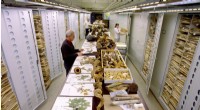
* Fossil Record: Examining preserved remains of ancient organisms to understand evolutionary lineages and track changes over time.
2. Molecular Comparisons:
* DNA Sequencing: Determining the order of nucleotides (A, T, C, G) in DNA sequences. Closely related species have more similar DNA sequences.
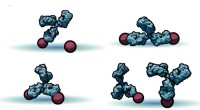
* Protein Sequencing: Determining the order of amino acids in proteins. Similar protein sequences indicate evolutionary relationships.
* Genome Analysis: Comparing entire genomes to identify shared genes, gene order, and other genomic features.
3. Ecological Comparisons:
* Habitat and Niche: Analyzing where organisms live and what resources they use. Similar ecological niches often suggest evolutionary adaptations to similar environments.
* Interactions: Examining how organisms interact with each other and their environment, including predator-prey relationships, competition, and symbiosis.
* Distribution: Mapping the geographic ranges of organisms and analyzing patterns of dispersal and isolation.
4. Behavioral Comparisons:
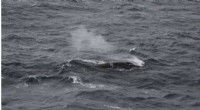
* Ethology: Studying the behaviors of organisms, including communication, mating rituals, foraging strategies, and social interactions.
* Cognitive Abilities: Assessing the mental capabilities of organisms, such as problem-solving, learning, and memory.
5. Phylogenetic Analysis:
* Cladistics: Using shared derived characteristics (synapomorphies) to construct evolutionary trees (cladograms) that show the relationships between organisms.
* Molecular Clocks: Using the rate of mutation in DNA or proteins to estimate the time of divergence between lineages.
These methods are often used in combination to provide a comprehensive understanding of the relationships and differences between organisms.