1. Crossing Over:
- During prophase I of meiosis, homologous chromosomes (one from each parent) pair up and exchange genetic material.
- This exchange, called crossing over, involves the physical breakage and rejoining of DNA segments between the chromosomes.
- This results in recombinant chromosomes, carrying a mix of genetic material from both parents.
2. Independent Assortment:
- In metaphase I, homologous chromosome pairs align randomly at the metaphase plate.
- This random alignment ensures that each daughter cell receives a mix of chromosomes from both parents.
- The combination of chromosomes in each gamete is unique, further increasing genetic diversity.
3. Random Fertilization:
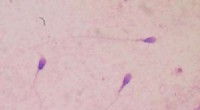
- During fertilization, a sperm cell randomly fuses with an egg cell.
- This random combination of genetic material from two different individuals creates a unique offspring.
Consequences of Genetic Recombination:
- Increased Genetic Diversity: Meiosis generates a vast number of genetically unique gametes, promoting diversity within a population.
- Adaptation and Evolution: Genetic diversity allows populations to adapt to changing environments and survive challenges.
- Reduced Risk of Inherited Diseases: Recombination shuffles genes, decreasing the likelihood of offspring inheriting harmful recessive alleles from both parents.
In summary:
Meiosis contributes to genetic recombination through crossing over, independent assortment, and random fertilization, leading to increased genetic diversity and promoting adaptation and evolution.