For cells:
* Cell membrane: This thin, flexible layer surrounds every cell and acts as a barrier, controlling what enters and exits. It also provides structural support and helps maintain the cell's shape.
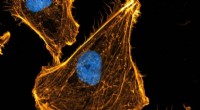
* Cytoskeleton: This network of protein fibers within the cytoplasm provides a framework for the cell, supporting its shape and allowing it to move. There are three main types:
* Microtubules: Long, hollow tubes that help with cell division, movement of organelles, and maintaining cell shape.
* Microfilaments: Thin, solid rods that help with cell movement, muscle contraction, and maintaining cell shape.
* Intermediate filaments: Rope-like structures that provide strength and support, anchoring organelles and helping connect cells.
* Cell wall (in plants, fungi, and bacteria): This rigid outer layer provides strong structural support, giving these organisms their shape and protecting them from bursting.
For larger organisms:
* Skeleton: This internal framework of bones provides the primary support structure for vertebrates. It allows for movement, protects vital organs, and gives shape to the body.
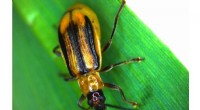
* Exoskeleton: This external, hard covering found in invertebrates like insects and crustaceans provides protection and support. It can be made of chitin, calcium carbonate, or other materials.
* Hydrostatic skeleton: This fluid-filled cavity (coelom) provides support through internal pressure. It is found in invertebrates like earthworms and jellyfish.
* Turgor pressure: In plants, the pressure of water within cells pushes against their cell walls, giving them rigidity and helping them maintain their shape.
Other factors:
* Muscle tissue: Contractile tissue helps with movement and maintaining posture, contributing to an organism's overall shape.
* Connective tissues: These tissues, including tendons, ligaments, and cartilage, provide structural support and hold organs and tissues together.
Ultimately, the specific mechanisms that maintain an organism's shape vary depending on the complexity and type of organism. However, all these factors work together to ensure that organisms have the necessary support and structure to function properly.