Cellular respiration is the process by which cells break down glucose (a sugar) in the presence of oxygen to release energy in the form of ATP (adenosine triphosphate). This energy is then used to power various cellular functions.
Here's a breakdown of the process:
* Glycolysis: The first step, which occurs in the cytoplasm, breaks down glucose into pyruvate.
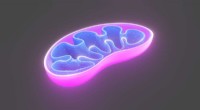
* Krebs Cycle (Citric Acid Cycle): This cycle takes place in the mitochondria and further breaks down pyruvate, producing electrons and carbon dioxide.
* Electron Transport Chain: This final stage also occurs in the mitochondria, where electrons are passed along a series of proteins, generating a proton gradient that is used to produce ATP.
Oxygen is essential for cellular respiration because it acts as the final electron acceptor in the electron transport chain, allowing the process to continue.