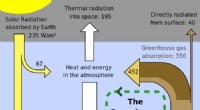
1. Photosynthesis: Plant cells contain chloroplasts, which are the sites of photosynthesis. During photosynthesis, plant cells use sunlight, water, and carbon dioxide to produce glucose (sugar) and oxygen. This process provides the plant with energy and fuels its growth.
2. Storage: Plant cells store various substances, including:
* Food: Glucose produced during photosynthesis is stored as starch in structures called amyloplasts.
* Water: Large vacuoles in plant cells act as reservoirs, storing water and maintaining turgor pressure (internal pressure that gives plants their rigidity).
* Nutrients: Cells store essential minerals and other nutrients they need for growth.
3. Structural Support: Plant cells have rigid cell walls made of cellulose. These walls provide structural support, helping the plant maintain its shape and stand upright.
4. Growth and Development: Plant cells continuously divide and differentiate, allowing the plant to grow and develop new tissues and organs.
5. Reproduction: Plant cells play a role in sexual reproduction, forming gametes (sex cells) that combine to create new offspring.
6. Defense: Plant cells can produce toxins or other substances that defend the plant against pathogens and herbivores.
7. Transport: Plant cells have specialized structures like plasmodesmata that allow for the movement of water, nutrients, and other molecules between cells.
In summary, plant cells are incredibly versatile, carrying out a diverse range of functions crucial for the life and growth of plants. They are responsible for everything from capturing sunlight and producing energy to providing structural support and protecting the plant from harm.