Base pairing is a fundamental principle in molecular biology, referring to the specific and complementary interactions between the four nitrogenous bases found in DNA: adenine (A), guanine (G), cytosine (C), and thymine (T).
Here's how base pairing works:
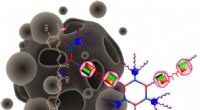
* Adenine (A) always pairs with thymine (T), and vice versa. They form two hydrogen bonds.
* Guanine (G) always pairs with cytosine (C), and vice versa. They form three hydrogen bonds.
These specific pairings are crucial for DNA replication because they:
1. Maintain the genetic code: During replication, the DNA molecule is unwound, and each strand serves as a template for the synthesis of a new complementary strand. The base pairing rules ensure that the newly synthesized strands are exact copies of the originals, preserving the genetic information.
2. Ensure accurate copying: The complementary nature of base pairing ensures that the correct nucleotides are incorporated into the newly synthesized strands. This minimizes errors in replication, preventing mutations and maintaining the integrity of the genetic code.
In DNA replication, the process goes like this:
1. Unwinding: The DNA double helix is unwound by enzymes called helicases.
2. Base pairing: Each single strand serves as a template for the synthesis of a new complementary strand. DNA polymerase, the enzyme responsible for replicating DNA, uses the original strands as templates and adds complementary nucleotides according to the base pairing rules (A with T, G with C).
3. New strand formation: The process continues until two identical DNA molecules are created, each consisting of one original strand and one newly synthesized strand.
In summary, base pairing is the foundation of DNA replication. It ensures accurate and faithful duplication of the genetic code, preserving the integrity of the genetic information across generations.