Here's why:
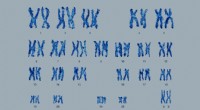
* DNA contains the genetic code: DNA is a molecule that holds the instructions for building and maintaining an organism. This information is organized into genes, which are segments of DNA that code for specific proteins or functional RNA molecules.
* Linear structure: DNA is a long, chain-like molecule with a specific sequence of nucleotides (adenine, guanine, cytosine, and thymine). This linear sequence of nucleotides is what determines the genetic code.
* Transcription and translation: The genetic information in DNA is first transcribed into RNA (Ribonucleic Acid). RNA then serves as a template for protein synthesis in a process called translation. These proteins carry out a wide variety of functions within the cell, contributing to its overall operation.
So, while other structures like proteins and RNA are also crucial for cell function, DNA is the primary repository of genetic information and therefore holds the blueprint for all cellular activities.