* E. coli colonies are typically white or cream-colored. This is due to their natural pigmentation.
* Red colonies often indicate specific mutations or genetic modifications. For example, some strains of E. coli have been engineered to produce red pigments for research purposes.
* Certain media can enhance the visibility of pigments. For instance, blood agar can show hemolysis (breakdown of red blood cells) that appears as a red zone around the colonies. However, this is not a red colony itself.
To get a red colony of E. coli, you'd need a genetically modified strain that expresses a red pigment. This is often done for research purposes, such as tracking bacterial growth or studying gene expression.
Here are a few examples:
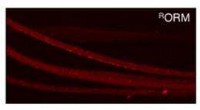
* Red Fluorescent Protein (RFP): E. coli can be engineered to express RFP, which will make the colonies appear red under a fluorescent microscope.
* Pigment-producing genes: Specific genes responsible for red pigment production could be introduced into E. coli.
If you're looking for a specific red-colored E. coli strain, you'd need to consult a research lab or a supplier specializing in genetically modified bacteria.