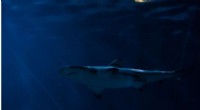
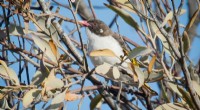
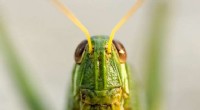
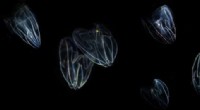
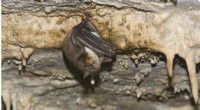
* Animals: Dogs, cats, birds, fish, insects
* Plants: Trees, flowers, grasses, ferns
* Fungi: Mushrooms, molds, yeasts
* Bacteria: These are single-celled organisms that can be found everywhere.
* Viruses: While not technically living, viruses require a host cell to reproduce and are considered biotic.
* Dead organisms: A fallen tree, a dead insect, a piece of bone. These were once living and still contribute to the ecosystem.
Key characteristics of biotic factors:
* They are made up of cells.
* They require energy and nutrients to survive.
* They grow and reproduce.
* They interact with other living things.
Contrast this with abiotic factors, which are non-living components of an ecosystem:
* Water: A lake, a river, rain
* Sunlight: The sun's energy
* Temperature: The air or water temperature
* Soil: The composition of the ground
* Rocks: Large, solid pieces of earth
Do you have a specific type of biotic factor in mind? Perhaps you're looking for an example of how biotic factors interact with each other? I can provide more detailed information if you give me more context!