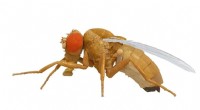
1. Biotic Factors:
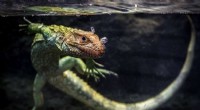
* In ecology: This refers to the living components of an ecosystem. This includes plants, animals, fungi, bacteria, and all other organisms.
* In contrast to abiotic factors: Biotic factors interact with each other and with the non-living parts of the environment (abiotic factors), shaping the ecosystem's dynamics.
* Examples of biotic factors: Predation, competition, parasitism, disease, pollination, decomposition.
2. Biotic Warfare:
* This refers to the use of biological agents (like bacteria, viruses, or toxins) as weapons.
* It's considered a form of warfare that can have devastating consequences due to the potential for widespread disease and death.
3. Biotic (as an adjective):
* This simply means "relating to life" or "living".
* Example: "The biotic community of the rainforest is incredibly diverse."
4. Biotic (in science fiction):
* In some science fiction settings, "biotics" refers to a type of advanced technology or ability, often involving manipulation of living organisms or bio-energy.
* This is often seen in the Mass Effect video game series, where biotic powers are used by certain characters.
To understand the meaning of "biotics" accurately, it's important to consider the context in which it is used.