1. Epithelial Cells:
* Function: Covering surfaces, lining cavities, and forming glands.
* Examples: Skin cells (keratinocytes), cells lining the digestive tract (intestinal epithelial cells), cells lining blood vessels (endothelial cells).
2. Connective Tissue Cells:
* Function: Support, connect, and protect other tissues.
* Examples:
* Fibroblasts: Produce collagen and other extracellular matrix components.
* Chondrocytes: Found in cartilage, providing flexible support.
* Osteoblasts: Build bone tissue.
* Adipocytes: Fat cells, storing energy.
* Blood cells: Red blood cells (transport oxygen), white blood cells (fight infection).
3. Muscle Cells:
* Function: Contraction and movement.
* Examples:
* Skeletal muscle cells: Responsible for voluntary movement.
* Smooth muscle cells: Found in organs like the stomach and intestines, responsible for involuntary movement.
* Cardiac muscle cells: Found in the heart, responsible for heart contractions.
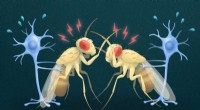
4. Nervous Tissue Cells:
* Function: Communication, coordination, and control.
* Examples:
* Neurons: Carry electrical impulses throughout the body.
* Glial cells: Support and protect neurons.
5. Germ Cells:
* Function: Responsible for reproduction.
* Examples:
* Sperm cells: Male gametes.
* Egg cells: Female gametes.
Important Notes:
* This is a simplified breakdown, and there are many more specialized cell types within each category.
* Each type of cell has unique characteristics and functions that contribute to the overall health and functioning of the body.
* The study of cells is a vast and complex field, and there is always more to learn about the amazing diversity of cells in our bodies.