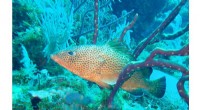
1. Variation: This refers to the differences that exist within a population of organisms. These differences can be in their physical traits, behaviors, or even their genetic makeup.
* Sources of variation:
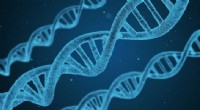
* Mutations: Random changes in DNA sequences that can introduce new traits.
* Gene flow: The movement of genes between populations, which can introduce new alleles.
* Sexual reproduction: The combination of genetic material from two parents, which can create new combinations of traits.
2. Selection: This is the process by which certain variations become more or less common in a population over time. The environment plays a key role in determining which traits are advantageous and which are not.
* Types of selection:
* Natural selection: The environment selects for individuals with traits that increase their survival and reproduction.
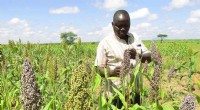
* Artificial selection: Humans intentionally select for specific traits in organisms, such as in domestication.
* Sexual selection: Individuals with traits that increase their attractiveness to potential mates are more likely to reproduce.
How the two stages work together:
* Variation provides the raw material for evolution. If there were no differences between individuals, there would be no traits for natural selection to act on.
* Selection acts on the existing variation, favoring certain traits and making them more common in the population. This can lead to changes in the overall characteristics of the population over time.
It's important to note that evolution is an ongoing process. Variation is constantly being generated, and selection is always at work, shaping populations in response to changing environments.