1. Metabolism: This is the sum of all chemical reactions that occur within a living organism. These reactions allow the organism to obtain and use energy, build and break down molecules, and eliminate waste. Examples include photosynthesis, respiration, and digestion.
2. Growth and Development: All living organisms grow and develop over their lifetime. This includes increasing in size, complexity, and the ability to perform more complex functions.
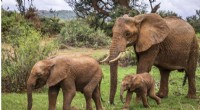
3. Reproduction: This is the process by which living organisms create new individuals of their own kind. It ensures the continuation of a species. This can be through sexual reproduction (involving two parents) or asexual reproduction (involving only one parent).