Here's a breakdown of what makes an ecosystem:
* Biotic factors: These are the living components of the ecosystem, such as plants, animals, fungi, bacteria, and other microorganisms.
* Abiotic factors: These are the non-living components of the ecosystem, such as sunlight, temperature, water, soil, and air.
* Interactions: Organisms within an ecosystem interact with each other in various ways, including competition for resources, predator-prey relationships, and symbiotic relationships.
Examples of ecosystems include:
* Forests: A dense community of trees, shrubs, and other plants, along with various animals, insects, and microorganisms.
* Deserts: A dry and arid environment with specialized plants and animals adapted to limited water availability.
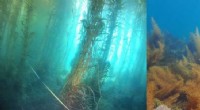
* Oceans: The vast expanse of saltwater, home to a wide diversity of marine life.
* Coral reefs: A diverse ecosystem formed by corals, home to a wide variety of fish and invertebrates.
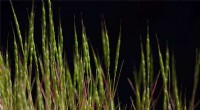
* Grasslands: Open areas dominated by grasses and other herbaceous plants, supporting grazing animals.
Understanding ecosystems is crucial for understanding the complex web of life on Earth and how human activities can impact it.