Physical Characteristics:
* Size and Shape: Height, leaf shape, flower size, and overall plant structure are often determined by genes.
* Color: Flower color, leaf color, and even fruit color are all controlled by genes.
* Texture: Leaf texture (smooth, hairy, etc.), stem texture, and fruit skin texture are also inherited.
* Growth Habits: Whether a plant grows upright, trails, or climbs is often genetically determined.
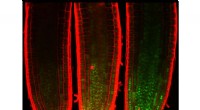
* Root System: The structure and size of a plant's root system are inherited traits.
Physiological Characteristics:
* Photosynthesis: The efficiency of photosynthesis, the process by which plants convert sunlight into energy, is inherited.
* Water Use: The ability to survive in dry conditions or tolerate flooding is partly controlled by genes.
* Nutrient Uptake: A plant's ability to absorb nutrients from the soil is inherited.
* Disease Resistance: Some plants have genes that make them more resistant to certain diseases.
* Pest Resistance: Similarly, some plants have genes that make them less susceptible to pests.
Reproductive Characteristics:
* Flowering Time: The time of year when a plant flowers is often genetically determined.
* Pollination Method: Whether a plant relies on wind, insects, or other methods for pollination is an inherited trait.
* Seed Production: The number and size of seeds produced can be influenced by genes.
Other Traits:
* Dormancy: Some plants have genes that trigger dormancy during cold or dry periods.
* Lifespan: The lifespan of a plant, whether it's annual, biennial, or perennial, is often controlled by genes.
* Toxicity: Some plants have inherited traits that make them toxic to animals or humans.
Important Note: While genes play a significant role in determining a plant's traits, the environment also plays a crucial role. For example, a plant with the potential to grow tall may not reach its full height if it lacks adequate sunlight or nutrients.