1. Structural Support and Shape: The cell wall provides rigidity and shape to the bacterial cell, protecting it from osmotic stress and maintaining its integrity. This is particularly important in hypotonic environments, where water tends to rush into the cell, potentially causing it to burst.
2. Protection from External Threats: The cell wall acts as a barrier against harmful external factors like:
* Antibiotics: Some antibiotics target the synthesis of bacterial cell walls, effectively weakening and killing the bacteria.
* Enzymes: The cell wall protects the cell from degrading enzymes produced by other organisms or the host immune system.
* Chemicals: It provides a barrier against toxins and other harmful chemicals in the environment.
3. Adhesion and Biofilm Formation: Some components of the bacterial cell wall, like pili and fimbriae, aid in attachment to surfaces, allowing bacteria to form biofilms. Biofilms are communities of bacteria attached to a surface, providing protection and facilitating communication within the community.
4. Recognition and Immune Response: The cell wall can trigger the host immune system. Certain components of the cell wall, like lipopolysaccharides (LPS) in Gram-negative bacteria, act as potent immunostimulants, activating the immune response.
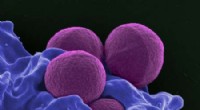
5. Maintaining Cell Morphology: The cell wall dictates the bacterial cell's shape, which can be spherical (cocci), rod-shaped (bacilli), spiral (spirilla), or other forms. This shape can affect bacterial motility, adhesion, and even the effectiveness of antibiotics.
6. Transportation: While the cell wall is a barrier, it also contains specialized structures like porins that allow specific molecules to pass through, facilitating nutrient uptake and waste removal.
7. Differentiation: In some bacteria, the cell wall composition can change during sporulation, a process where bacteria create dormant, resistant spores. This adaptation allows bacteria to survive harsh conditions.
Overall, the cell wall is a vital component of bacterial cells, contributing to their survival, adaptation, and interaction with their environment.