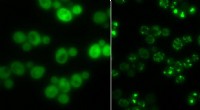
* Presence of Chlorophyll: The most direct observation is the presence of chlorophyll. Chlorophyll is the pigment that absorbs light energy for photosynthesis. If the organism is green or has a greenish tint, it could indicate the presence of chlorophyll. This can be observed visually or with a microscope.
* Production of Oxygen: Autotrophs release oxygen as a byproduct of photosynthesis. Measuring the oxygen levels around the organism or observing bubbles of oxygen being released would be a strong indicator.
* Presence of Photosynthetic Structures: Some organisms, like algae, have specialized structures for photosynthesis, such as chloroplasts. Observing these structures under a microscope would be a definitive sign of autotrophy.
* Growth in the Absence of Organic Food: If an organism can grow and thrive in an environment lacking organic food sources (like in the deep ocean), it suggests it is obtaining its nutrients through autotrophy.
* Carbon Fixation: Using radioactive carbon tracing techniques, scientists can track the uptake and incorporation of carbon dioxide into organic molecules. This is a definitive indicator of autotrophic activity.
Important Note: Some organisms can switch between autotrophic and heterotrophic nutrition, depending on the environmental conditions.