Observations of Variation:
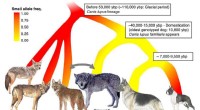
* Domesticated Animals and Plants: Darwin extensively studied the vast diversity of breeds in domesticated animals like pigeons, dogs, and cattle, and cultivated plants like cabbages and roses. He observed how selective breeding by humans could rapidly alter traits within a species. This demonstrated the power of variation and inheritance in shaping organisms.
* Natural Populations: Darwin observed variation within natural populations of species like barnacles, finches, and beetles. This variation was key to his understanding that individuals within a population differed in their traits, and some of those differences could be advantageous in a given environment.
Understanding Adaptation:
* Adaptive Traits: Darwin saw how certain traits were advantageous in specific environments. For example, the beaks of finches on different Galapagos islands were adapted for different food sources. This led him to realize that variation in traits could be driven by natural selection, where individuals with advantageous traits are more likely to survive and reproduce.
* Competition and Resources: Darwin recognized that populations often produce more offspring than resources can support, leading to competition for survival. This competition, along with the variation within populations, formed the basis for natural selection.
The Importance of Fossils:
While Darwin's primary focus was on living organisms, he also studied fossils. Fossils helped him understand that life had changed over time and that extinct organisms were related to living species. This provided further evidence for descent with modification.
Key Takeaways:
* Darwin's observations of variation within modern organisms and their adaptations were crucial to his understanding of evolution.
* He saw how selective breeding could drive change in domesticated species, and how natural selection could act on variation in natural populations.
* He realized that the diversity of life was not static but rather a result of ongoing change over time.
Darwin's work with modern organisms, combined with his study of fossils, provided a powerful foundation for the theory of evolution by natural selection. This theory continues to be a cornerstone of modern biology, explaining the vast diversity and interconnectedness of life on Earth.