Bacteria
* Cell type: Prokaryotic (lack a nucleus and membrane-bound organelles)
* Size: Microscopic, usually 0.5-10 micrometers in diameter
* Structure: Single-celled, with a cell wall, cell membrane, cytoplasm, ribosomes, and often flagella or pili
* Reproduction: Primarily asexual, through binary fission
* Nutrition: Diverse, including photoautotrophs (use sunlight), chemoautotrophs (use inorganic chemicals), heterotrophs (consume organic matter), and mixotrophs (combine autotrophy and heterotrophy)
* Habitat: Found in nearly all environments, including soil, water, air, and within living organisms
* Examples: E. coli, Salmonella, Lactobacillus
Archaea
* Cell type: Prokaryotic
* Size: Microscopic, similar in size to bacteria
* Structure: Similar to bacteria, but with unique cell wall compositions and membrane lipids
* Reproduction: Asexual, through binary fission
* Nutrition: Diverse, including photoautotrophs, chemoautotrophs, and heterotrophs. Some are extremophiles, thriving in extreme environments like hot springs or highly salty lakes.
* Habitat: Found in a wide range of environments, including extreme environments like hot springs, salt lakes, and deep-sea vents
* Examples: Methanogens, halophiles, thermophiles
Fungi
* Cell type: Eukaryotic (have a nucleus and membrane-bound organelles)
* Size: Microscopic (yeasts and molds) to macroscopic (mushrooms)
* Structure: Heterotrophic, obtaining nutrients by absorbing organic matter. Can be unicellular (yeasts) or multicellular (molds and mushrooms). Have cell walls made of chitin.
* Reproduction: Both sexual and asexual, depending on the species.
* Nutrition: Heterotrophic, obtaining nutrients by absorbing organic matter from their surroundings.
* Habitat: Found in diverse environments, including soil, decaying organic matter, and as symbionts with plants (mycorrhizae).
* Examples: Yeast, mushrooms, molds
Protozoa
* Cell type: Eukaryotic
* Size: Microscopic, typically 10-100 micrometers in diameter
* Structure: Single-celled, with a variety of specialized structures for feeding, movement, and defense.
* Reproduction: Asexual (binary fission, budding) and sexual reproduction.
* Nutrition: Heterotrophic, often feeding on bacteria, algae, or other protozoa.
* Habitat: Found in diverse aquatic and terrestrial environments, including soil, water, and within living organisms.
* Examples: Amoeba, paramecium, trypanosomes
Algae
* Cell type: Eukaryotic
* Size: Microscopic (single-celled) to macroscopic (seaweed)
* Structure: Autotrophic (produce their own food through photosynthesis). Contain chloroplasts for photosynthesis. May be single-celled or multicellular.
* Reproduction: Both asexual and sexual reproduction
* Nutrition: Photoautotrophic (using sunlight to make their own food)
* Habitat: Found in diverse aquatic and terrestrial environments, including oceans, lakes, rivers, and soil.
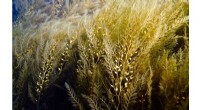
* Examples: Diatoms, green algae, seaweed
Viruses
* Cell type: Not cellular, they are considered non-living entities
* Size: Extremely small (nanometers in size), much smaller than bacteria
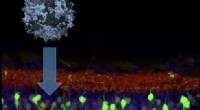
* Structure: Simple structure consisting of a protein coat (capsid) surrounding a nucleic acid core (DNA or RNA).
* Reproduction: Cannot reproduce independently, they require a host cell to replicate. They invade a host cell and use its machinery to create more viruses.
* Nutrition: Don't obtain nutrients in the same way living organisms do.
* Habitat: Found in a wide range of environments, including inside living organisms.
* Examples: Influenza virus, HIV, Coronavirus
Key Differences
* Cellular Structure: Bacteria and archaea are prokaryotes, while fungi, protozoa, and algae are eukaryotes. Viruses are non-cellular.
* Nutrition: Bacteria, archaea, fungi, and protozoa obtain nutrients from their environment. Algae make their own food through photosynthesis. Viruses are obligate intracellular parasites that require a host cell to survive.
* Reproduction: Bacteria, archaea, fungi, protozoa, and algae can reproduce independently. Viruses need a host cell to replicate.
This is a brief overview. Each group has a remarkable diversity within it, and there are many exceptions and nuances.