Fundamental Principles & Cellular Biology
1. Cell Theory (1839): The discovery that all living organisms are made up of cells, which are the basic units of life.
2. Genetics (1865): Gregor Mendel's work on pea plants revealed the fundamental principles of inheritance, laying the groundwork for modern genetics.
3. DNA Structure (1953): The discovery of the double helix structure of DNA by Watson and Crick revolutionized our understanding of how genetic information is stored and passed on.
4. Central Dogma of Molecular Biology (1950s): The framework outlining the flow of genetic information from DNA to RNA to protein.
5. The Genetic Code (1960s): Deciphering the code that translates DNA sequences into proteins.
6. Evolution by Natural Selection (1859): Darwin's theory revolutionized our understanding of how life on Earth has changed over time.
7. Endosymbiotic Theory (1960s): The hypothesis that mitochondria and chloroplasts originated from bacteria that were engulfed by early eukaryotic cells.
Molecular Mechanisms and Processes
8. Enzymes and Catalysis (1897): The discovery of enzymes and their role in catalyzing biological reactions.
9. Photosynthesis (1800s): Understanding how plants convert light energy into chemical energy.
10. Cellular Respiration (1800s): Understanding how cells extract energy from food molecules.
11. Metabolism and Biochemical Pathways (1900s): The intricate networks of chemical reactions that sustain life.
12. Hormones and Signaling (early 1900s): The discovery of hormones and their role in regulating biological processes.
13. Immunology and the Immune System (1880s): The study of the body's defenses against disease.
Microbial World and Infectious Disease
14. Germ Theory of Disease (1860s): The recognition that microorganisms cause infectious diseases.
15. Antibiotics (1920s): The discovery of penicillin and other antibiotics, revolutionizing the treatment of bacterial infections.
16. Vaccines (1796): Edward Jenner's development of the first vaccine for smallpox.
17. Viruses (1892): The discovery of viruses and their role in disease.
Human Biology and Health
18. Human Genome Project (2003): The sequencing of the entire human genome, providing a blueprint for human biology.
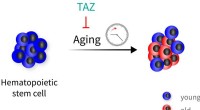
19. Stem Cell Research (1960s): The discovery of stem cells and their potential for regenerative medicine.
20. Gene Editing (1970s): The development of techniques to modify genes, opening doors to gene therapy and genetic engineering.
21. Organ Transplantation (1950s): The development of techniques for transplanting organs, saving countless lives.
22. Cancer Biology (1900s): The study of cancer, leading to advancements in diagnosis and treatment.
23. Neurobiology (1900s): Understanding the workings of the brain and nervous system.
Biodiversity and Ecology
24. Biodiversity and Conservation (1970s): Recognition of the importance of biodiversity and the need for conservation.
25. Ecology (1900s): The study of the interactions between organisms and their environment.
26. Climate Change (1900s): Understanding the impacts of human activities on the Earth's climate.
Other Major Contributions
27. Microscopy (1590s): The development of the microscope, allowing scientists to see the microscopic world.
28. Biochemistry (1800s): The study of the chemical processes in living organisms.
29. Biotechnology (1970s): The use of biological processes and organisms for technological applications.
30. Computational Biology (1980s): The application of computer science to biological research.
This list is not exhaustive, but it gives a sense of the breadth and depth of significant discoveries in biology. Each of these discoveries has profoundly impacted our understanding of life, health, and the environment, and continues to inspire new research and innovation.