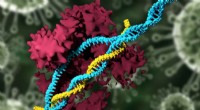
* Structure: The DNA molecule is a double helix with two strands of nucleotides. Each nucleotide consists of a phosphate group, a sugar molecule (deoxyribose), and a nitrogenous base. The phosphate groups and sugars form the backbone, which runs along the outside of the helix.
* Hydrophilic Nature: The phosphate groups in the backbone are negatively charged and hydrophilic (water-loving). This makes them readily interact with the water molecules in the cell's cytoplasm.
* Nitrogenous Bases: The nitrogenous bases (adenine, guanine, cytosine, and thymine) are located inside the helix and are more hydrophobic (water-fearing). They interact with each other through hydrogen bonds to hold the two strands together.
In summary: The sugar-phosphate backbone of DNA is on the outside of the helix and its hydrophilic nature allows it to readily interact with the watery environment of the cell.