Here's a breakdown:
* Bio- refers to life or living organisms.
* Luminescent means producing light.
So, a bioluminescent organism creates its own light, often through a chemical reaction involving a substance called luciferin and an enzyme called luciferase. This reaction releases energy in the form of light.
Examples of Bioluminescent Organisms:
* Fireflies: Their flashing lights are a form of communication.
* Deep-sea creatures: Many fish, jellyfish, and squid use bioluminescence for hunting, attracting mates, or camouflage.
* Some fungi: Certain mushrooms glow in the dark.
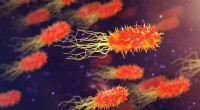
* Bacteria: Bioluminescent bacteria can be found in the ocean and even in some terrestrial environments.
Uses of Bioluminescence:
* Nature: Bioluminescence plays a vital role in various ecosystems, from communication to predator-prey interactions.
* Science: Bioluminescent organisms are used in research to study biological processes and develop new technologies.
* Technology: Bioluminescence has potential applications in bioimaging, environmental monitoring, and even bioremediation.