1. Shape and Size:
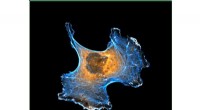
* Shape: Cells can be spherical, cuboidal, elongated, or even have complex, irregular shapes, depending on their function.
* Size: Cells vary tremendously in size. A typical human cell is about 10-100 micrometers in diameter, while a nerve cell can be meters long.
2. Organelle Composition:
* Number and type of organelles: Different cell types have different numbers and types of organelles based on their specific functions. For example, muscle cells have many mitochondria for energy production, while pancreatic cells have many Golgi bodies for protein secretion.
* Specializations: Certain organelles may be modified or specialized for a particular cell type. For example, plant cells have chloroplasts for photosynthesis, while red blood cells lack a nucleus and organelles to maximize space for carrying oxygen.
3. Cellular Functions:
* Cell division: Different cell types divide at different rates. For example, skin cells divide frequently to replace worn-out cells, while nerve cells generally do not divide after maturity.
* Metabolic pathways: Different cell types can have different metabolic pathways depending on their role in the body. For example, muscle cells have a high capacity for glycolysis, while liver cells are involved in detoxification and nutrient storage.
* Communication and Signaling: Different cell types communicate and signal with each other in various ways, using a variety of molecules like hormones, neurotransmitters, and growth factors.
4. Specialized Structures:
* Extracellular matrix: Cells can produce and secrete different types of extracellular matrix, which provides structural support, allows for communication between cells, and influences cell behavior.
* Cell junctions: Cells can form specialized junctions with each other, such as tight junctions, desmosomes, and gap junctions, which allow for communication, adhesion, and barrier formation.
5. Environmental Factors:
* Location in the body: The environment a cell is in (e.g., tissue type, proximity to blood vessels) can influence its development and function.
* External signals: Cells respond to various external signals like hormones, growth factors, and environmental changes, leading to alterations in their gene expression, protein synthesis, and overall behavior.
Examples of Differences:
* Nerve cells are long and have specialized structures like axons and dendrites to transmit signals.
* Muscle cells are elongated and contain numerous mitochondria for energy production.
* Plant cells have chloroplasts for photosynthesis, cell walls for structural support, and vacuoles for water storage.
* Red blood cells are biconcave discs without a nucleus to maximize oxygen carrying capacity.
Understanding these differences is crucial for comprehending how various cell types work together to form tissues, organs, and ultimately, a functioning organism.