The weather report on the radio or TV tells you that it is going to be sunny and hot and that an orange ozone alert has been issued. What is ozone? What does an orange alert mean? Why should you be concerned about it?
In this article, we will examine what ozone is, how it is produced, what health hazards it poses and what you can do to reduce ozone pollution.
Ozone is a molecule of three oxygen atoms bound together (O3). It is unstable and highly reactive. Ozone is used as a bleach, a deodorizing agent, and a sterilization agent for air and drinking water. At low concentrations, it is toxic.
Related Articles
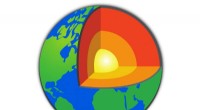
Ozone is found naturally in small concentrations in the stratosphere, a layer of Earth's upper atmosphere. In this upper atmosphere, ozone is made when ultraviolet light from the sun splits an oxygen molecule (O2), forming two single oxygen atoms. If a freed atom collides with an oxogen molecule, it becomes ozone. Stratospheric ozone has been called "good" ozone because it protects the Earth's surface from dangerous ultraviolet light.

Ozone can also be found in the troposphere, the lowest layer of the atmosphere. Tropospheric ozone (often termed "bad" ozone) is man-made, a result of air pollution from internal combustion engines and power plants. Automobile exhaust and industrial emissions release a family of nitrogen oxide gases (NOx) and volatile organic compounds (VOC), by-products of burning gasoline and coal. NOx and VOC combine chemically with oxygen to form ozone during sunny, high-temperature conditions of late spring, summer and early fall. High levels of ozone are usually formed in the heat of the afternoon and early evening, dissipating during the cooler nights.

Although ozone pollution is formed mainly in urban and suburban areas, it ends up in rural areas as well, carried by prevailing winds or resulting from cars and trucks that travel into rural areas. Significant levels of ozone pollution can be detected in rural areas as far as 250 miles (402 kilometers) downwind from urban industrial zones.

When you inhale ozone, it travels throughout your respiratory tract. Because ozone is very corrosive, it damages the bronchioles and alveoli in your lungs, air sacs that are important for gas exchange (see How Your Lungs Work for details). Repeated exposure to ozone can inflame lung tissues and cause respiratory infections.


Ozone exposure can aggravate existing respiratory conditions such as asthma, reduce your lung function and capacity for exercise and cause chest pains and coughing. Young children, adults who are active outdoors and people with respiratory diseases are most susceptible to the high levels of ozone encountered during the summer.
In addition to effects on humans, the corrosive nature of ozone can damage plants and trees. High levels of ozone can destroy agricultural crops and forest vegetation.

Avoiding Ozone Exposure
To protect yourself from ozone exposure, you should be aware of the Air Quality Index (AQI) in your area everyday -- you can usually find it in the newspaper or on a morning weather forecast on TV or radio. You should also be familiar with the U.S. Environmental Protection Agency (EPA) guide for ozone-alert values.
What do the numbers in the AQI mean? The AQI measures concentrations of five air pollutants: ozone, sulfur dioxide, particulate matter, carbon monoxide and nitrogen dioxide. The EPA has chosen these pollutants as criteria pollutants, but these are not all of the pollutants in the air. These concentrations are compared to a standard set out in federal law. An index value of 100 means that all of the criteria pollutants are at the maximum level that is considered safe for the majority of the population -- a yellow alert on the chart below. Numbers above 100 indicate higher concentrations and therefore a greater risk to most individuals.
To reduce your exposure to ozone, you should avoid exercising during afternoon and early evening hours in the summer.
Reducing Ozone Pollution
There are several ways you can help to decrease ozone pollution:
Besides personal attempts to reduce ozone pollution, the EPA has initiated more stringent air-quality standards (such as the Clean Air Act and its modifications) to reduce air pollution. Compliance with these standards by industries, manufacturers and state and local governments has significantly reduced the levels of many common air pollutants.

Ozone concentration in the troposphere has also decreased in the past 10 years.

With continued conservation and reduction practices, adherence to ozone-pollution warnings, research and government regulation, ozone-pollution levels should continue to fall. Perhaps future generations will not be threatened by this environmental pollutant.
For more information on ozone pollution and related topics, check out the links on the next page.
Related Articles
More Great Links