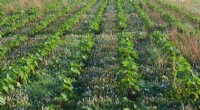
Competition in biomes is a fundamental force that drives the evolution and diversity of life. It occurs when different organisms within a biome compete for the same limited resources, such as:
1. Food: Animals compete for prey, while plants compete for sunlight, water, and nutrients.
2. Space: Plants compete for root space and sunlight, while animals compete for territory and nesting sites.
3. Mates: Animals compete for access to potential mates, often through displays, fighting, or resource control.
4. Shelter: Animals compete for protection from predators, harsh weather, or other environmental factors.
Types of Competition:
* Interspecific competition: Competition between different species (e.g., lions and hyenas competing for prey).
* Intraspecific competition: Competition within the same species (e.g., male deer competing for mates).
Consequences of Competition:
* Evolutionary pressure: Competition drives species to evolve adaptations that allow them to outcompete rivals for resources, leading to a diversity of niches and specialized traits.
* Resource partitioning: Species evolve to use resources differently, reducing direct competition. For example, birds feeding on different parts of a tree or insects specializing in different food sources.
* Population regulation: Competition can limit the size of populations, preventing overgrazing or resource depletion.
* Extinction: If one species is unable to compete effectively, it may be outcompeted and face extinction.
Examples of Competition in Biomes:
* Tropical Rainforest: Trees compete for sunlight, while animals compete for food and territory.
* Savanna: Grazing animals compete for grass, while predators compete for prey.
* Desert: Plants compete for water and nutrients, while animals compete for shade and water sources.
* Ocean: Marine animals compete for food, space, and mates.
Understanding competition is crucial for understanding the dynamics of ecosystems and the impact of human activities on biodiversity. By studying competition, we can better manage ecosystems, protect endangered species, and ensure the sustainability of our planet.