Here's a breakdown:
* Autotrophs: These organisms can produce their own food through a process called photosynthesis. They use sunlight, water, and carbon dioxide to create sugars (their food) and release oxygen as a byproduct.
* Photosynthesis: The process where plants, algae, and some bacteria use sunlight to convert carbon dioxide and water into sugars (glucose) and oxygen.
Examples of autotrophs include:
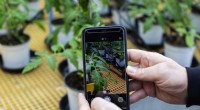
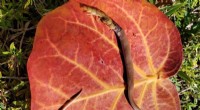
* Plants: All types of plants are autotrophs, from tiny ferns to giant trees.
* Algae: These single-celled or multicellular organisms are found in water and are important primary producers in aquatic ecosystems.
* Some Bacteria: Certain bacteria, like cyanobacteria, are capable of photosynthesis.
It's important to note that autotrophs are the foundation of most food chains and ecosystems. They are the primary producers that provide energy for all other living things.