1. Cell Division:
* Mitosis: The primary method of cell division in multicellular organisms. Mitosis produces two identical daughter cells from a single parent cell, increasing the total number of cells in the body. This process is responsible for growth and repair.
* Meiosis: This specialized type of cell division occurs in reproductive cells (gametes) and reduces the number of chromosomes in half, ensuring genetic diversity in offspring. While not directly related to growth, it contributes to the development of a new organism.
2. Cell Growth:
* Protein Synthesis: Cells need to produce proteins for structure, function, and regulation. This process involves transcription (copying DNA into RNA) and translation (converting RNA into protein). Increased protein synthesis allows cells to grow in size.
* Organelle Formation: As cells grow, they need more organelles to carry out their functions. This includes the formation of mitochondria for energy production, ribosomes for protein synthesis, and other essential organelles.
3. Differentiation:
* Gene Expression: Different cells express different genes, leading to specialized functions. This process, called differentiation, allows cells to develop into tissues and organs with unique characteristics. For example, muscle cells develop from stem cells through specific gene expression patterns.
4. Hormonal Regulation:
* Growth Hormones: Hormones, like growth hormone (GH) in humans, play a crucial role in regulating growth by stimulating cell division and protein synthesis. These hormones are produced in various glands and act on specific target cells.
* Other Hormones: Other hormones, including thyroid hormone (T3 and T4), insulin-like growth factor (IGF-1), and sex hormones, also contribute to growth regulation by influencing metabolism, cell differentiation, and other aspects of development.
5. Nutrition and Environment:
* Nutrient Availability: Adequate nutrition is essential for cell growth and division. Nutrients provide building blocks for proteins, DNA, and other cellular components.
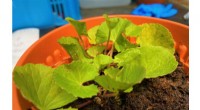
* Environmental Factors: Environmental factors, like temperature, oxygen levels, and light, also influence growth. For example, plants require sunlight for photosynthesis, a crucial process for growth.
Overall, internal growth is a complex and coordinated process involving cell division, cell growth, differentiation, hormonal regulation, and external factors. The specific mechanisms and rates of growth vary depending on the organism, age, and stage of development.