* Hydrolytic Enzymes: These are the main players. They break down various cellular components like:
* Proteins: Proteases break down proteins into amino acids.
* Carbohydrates: Glycosidases break down carbohydrates into simple sugars.
* Lipids: Lipases break down fats into fatty acids and glycerol.
* Nucleic Acids: Nucleases break down DNA and RNA into nucleotides.
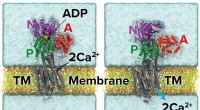
* Acidic Environment: The interior of a lysosome is very acidic (pH 4.5-5.0). This acidity is maintained by proton pumps in the lysosomal membrane and is crucial for the optimal activity of the hydrolytic enzymes.
* Membrane: The lysosomal membrane is essential for containing the digestive enzymes and preventing them from damaging other parts of the cell. It is resistant to the acidic environment and the actions of the enzymes it encloses.
Here's a simplified way to think about it: Imagine a bag of powerful cleaning chemicals that can break down all sorts of things. The lysosome is that bag, containing the chemicals (enzymes) within a strong membrane to keep them contained and prevent damage.
What happens in a lysosome?
* Digestion of Waste: Lysosomes break down worn-out cell parts, damaged organelles, and debris from outside the cell.
* Defense Against Pathogens: They engulf and destroy bacteria, viruses, and other foreign invaders.
* Cell Death: Lysosomes play a role in programmed cell death (apoptosis), breaking down the cell's components in a controlled manner.