1. Variation is the Starting Point:
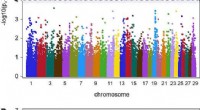
- Evolution begins with genetic variations within a population. These variations arise from mutations, random changes in DNA sequence.
- These variations lead to differences in traits, such as beak shape in birds, fur color in mammals, or camouflage patterns in insects.
2. Natural Selection Favors the Fittest:
- Individuals with traits that make them better suited to their environment are more likely to survive, reproduce, and pass those advantageous traits to their offspring.
- This process, called natural selection, acts as a filter, selecting for beneficial variations and weeding out less advantageous ones.
3. Adaptation and Specialization:
- Over generations, natural selection leads to populations becoming better adapted to their specific environments.
- This process can result in specialization, where populations evolve unique traits that allow them to exploit particular resources or habitats. For instance, different species of finches on the Galapagos Islands evolved beaks specialized for different food sources.
4. Diversification through Isolation:
- Geographic isolation plays a key role in diversification. When populations are separated by physical barriers (mountains, oceans, etc.), they experience different environmental pressures and selective forces.
- Over time, these isolated populations accumulate distinct genetic differences, eventually leading to the formation of new species.
5. Gradual Change and Speciation:
- Evolution is a gradual process. Small changes accumulate over many generations, leading to significant differences between ancestral and descendant populations.
- When these changes become so profound that members of different populations can no longer interbreed, a new species is formed – this is called speciation.
Example: The Diversity of Birds
- The vast diversity of bird species, from penguins to hummingbirds, can be explained by evolution.
- Their common ancestor, a small dinosaur-like creature, diversified over millions of years as populations adapted to different niches (feeding, habitats, etc.).
- This led to the evolution of wings for flight, beaks suited for different food types, and colorful feathers for courtship displays.
Key Point:
The theory of evolution, through natural selection, explains not only the vast array of life forms on Earth but also the ongoing process of adaptation and diversification that continues to shape the planet's biodiversity.