1. Sexual Reproduction:
* Definition: This involves the fusion of two specialized sex cells called gametes (sperm and egg) to form a zygote, which develops into a new organism.
* Characteristics:
* Requires two parents (male and female).
* Offspring inherit genetic material from both parents, resulting in genetic diversity.
* Often involves specialized structures like flowers in plants or reproductive organs in animals.
* Examples: Humans, animals, flowering plants, most trees.
2. Asexual Reproduction:
* Definition: This involves a single parent producing offspring that are genetically identical to itself. There is no fusion of gametes.
* Characteristics:
* Requires only one parent.
* Offspring are clones of the parent, lacking genetic diversity.
* Can occur through various mechanisms like budding, fission, fragmentation, or vegetative propagation.
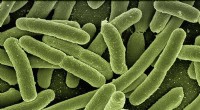
* Examples: Bacteria, yeast, some plants (like strawberries), sea anemones.