1. They are likely from different organisms or different tissues within the same organism.
* Different organisms: Cells have evolved to specialize for the specific needs of their organism. A plant cell will have very different structures than a bacteria cell, which in turn will be very different from an animal cell.
* Different tissues: Even within a single organism, cells will have different structures depending on their function. For example, a muscle cell will have a very different structure than a nerve cell.
2. They have different functions.
* Structure dictates function: The shape and internal components of a cell determine what it can do. For example, a cell with many mitochondria (energy producing organelles) will likely be involved in processes that require lots of energy.
* Specialized roles: Different cell types are specialized to perform specific functions, and their structures reflect these roles.
3. They might be in different stages of their life cycle.
* Cell division: Cells can be in different stages of the cell cycle, which can lead to visible structural differences. For example, a cell undergoing mitosis will have a very different appearance than a cell that is not dividing.
To make more specific inferences, you would need additional information:
* What type of microscope are you using? A light microscope will show you different details than an electron microscope.
* What staining techniques are you using? Different stains highlight different structures within cells.
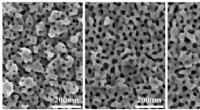
* What are the specific differences you are observing? Are there differences in the shape of the cells, the presence or absence of certain organelles, or the size and number of certain structures?
By combining these details, you can draw more precise conclusions about the cells you are observing.