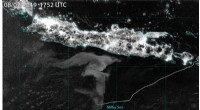
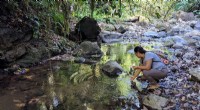
* Biosphere: This is the largest and most inclusive level. It encompasses all life on Earth and its interactions with the physical environment. Think of it as the global ecosystem, including all land, water, and air where life exists.
* Biome: A biome is a major life zone characterized by specific climate conditions and the dominant plant and animal life adapted to those conditions. Examples include deserts, grasslands, forests, and tundra. Each biome has a distinctive combination of temperature, rainfall, and other factors that shape its unique ecosystem.
* Community: A community is a collection of interacting populations of different species that live in the same area. It focuses on the relationships between different species, like predator-prey interactions, competition, and symbiosis. For instance, a forest community could include trees, birds, insects, squirrels, and fungi, all interacting with each other.
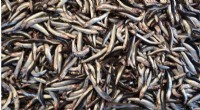
* Population: A population is a group of individuals of the same species living in the same area at the same time. They interact and share resources, influencing their collective survival and reproduction. For example, a population of white-tailed deer in a forest would include all the individual deer in that area.
Think of it like a nesting doll:
* The biggest doll is the biosphere, holding all life on Earth.
* Inside the biosphere are smaller dolls, each representing a biome, like the desert or the rainforest.
* Inside each biome, smaller dolls represent the different communities, like the desert scrub community or the rainforest canopy community.
* Finally, inside each community, the smallest dolls represent the different populations of species within that community.
It's important to note that these levels are interconnected and influence each other. For example, changes in the biosphere, such as climate change, can affect the types of biomes present, which in turn impacts the communities and populations within those biomes.