Organism:
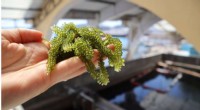
* Definition: A complete living being capable of independent existence. It's a single, self-contained entity with all the necessary structures and functions to survive.
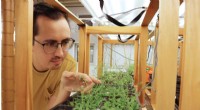
* Examples: Humans, animals, plants, bacteria, fungi.
* Key Features:
* Organization: Composed of cells, tissues, organs, and organ systems working together.
* Metabolism: Carrying out chemical processes to obtain and use energy.
* Growth and Development: Increasing in size and complexity over time.
* Reproduction: Producing offspring.
* Adaptation: Adjusting to changes in the environment.
* Response to Stimuli: Reacting to changes in their surroundings.
Homeostasis:
* Definition: The process by which an organism maintains a stable internal environment despite changes in the external environment. It's about maintaining a balance.
* Example: Sweating to regulate body temperature when it's hot.
* Key Features:
* Internal Stability: Maintaining constant conditions within certain limits (e.g., temperature, pH, water balance, blood sugar).
* Feedback Mechanisms: Systems that detect and respond to changes, bringing things back to normal.
* Negative Feedback: Reduces or opposes a change.
* Positive Feedback: Amplifies a change (less common).
* Essential for Survival: Disruptions in homeostasis can lead to illness or death.
In Summary:
* Organism: The whole living being itself.
* Homeostasis: The process the organism uses to maintain a stable internal environment, allowing it to function properly and survive.
Think of it this way: an organism is like a house, and homeostasis is the heating and cooling system that keeps the house at a comfortable temperature. Without the system (homeostasis), the house (organism) can't function properly.