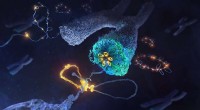
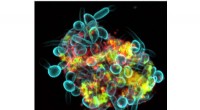
* DNA: Deoxyribonucleic acid is the genetic material of all living organisms. It contains the instructions for building and maintaining an organism.
* Genes: Segments of DNA that code for specific proteins. Proteins are the workhorses of cells, carrying out a wide range of functions, from building structures to catalyzing chemical reactions.
Here's how the specifications work:
1. Transcription: The DNA sequence of a gene is copied into a molecule called messenger RNA (mRNA).
2. Translation: The mRNA travels to the ribosomes, where it is used to assemble amino acids into a protein.
3. Protein Function: The newly created protein carries out its specific function, contributing to the overall process of cell creation.
The process of cell creation is complex and involves many different genes working together. Some genes provide the instructions for:
* Cell division: Genes that control the process of mitosis, the process by which a single cell divides into two identical daughter cells.
* Cell growth: Genes that regulate the production of proteins needed for cell growth and expansion.
* Cell differentiation: Genes that determine what type of cell a cell will become (e.g., a muscle cell, a nerve cell, or a skin cell).
It's important to note that:
* While DNA provides the blueprint for cell creation, the process is also influenced by environmental factors, such as nutrition and stress.
* The study of genes and how they control cell creation is a complex field of research called molecular biology.
Let me know if you'd like to know more about any specific aspect of this process!