1. Biotic factors: These are the living components of an ecosystem, including:
* Producers: Plants and algae that make their own food through photosynthesis.
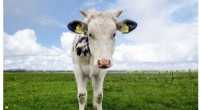
* Consumers: Animals that eat other organisms for energy. This category includes herbivores, carnivores, and omnivores.
* Decomposers: Bacteria and fungi that break down dead organisms and waste, returning nutrients to the ecosystem.
* Detritivores: Animals that feed on dead organic matter (like earthworms and dung beetles).
2. Abiotic factors: These are the non-living components of an ecosystem, including:
* Sunlight: Provides energy for producers.
* Temperature: Influences the rate of biological processes.
* Water: Essential for all living things.
* Air: Provides oxygen for respiration and carbon dioxide for photosynthesis.
* Soil: Provides nutrients and support for plants.
* Minerals: Essential nutrients for plant growth.
* pH: Acidity or alkalinity of the environment.
These two components interact in a complex and dynamic way, forming a balanced and interconnected system.