Fields that heavily rely on microscopy:
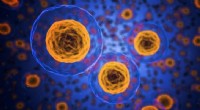
* Cytology: The study of cells, which are microscopic structures.
* Histology: The study of tissues, which are collections of cells.
* Microbiology: The study of microorganisms like bacteria, viruses, and fungi, all of which are too small to be seen with the naked eye.
* Parasitology: The study of parasites, including microscopic ones.
* Immunology: The study of the immune system, which involves microscopic cells and processes.
* Developmental Biology: The study of how organisms develop, including microscopic changes in cells and tissues.
* Genetics: While genetics often involves larger scale organisms, microscopy is used to study chromosomes and other cellular structures related to inheritance.
Fields that occasionally use microscopy:
* Botany: Studying the structure of plants often requires microscopy.
* Zoology: Microscopy is used to study the internal structures of animals.
* Ecology: Examining microscopic organisms within ecosystems is essential.
* Evolutionary Biology: Microscopy can be used to study the cellular structures of ancient organisms.
In general, any field of biology that focuses on the microscopic world requires the use of microscopes. This includes studying the structure, function, and interactions of cells, tissues, and organisms that are too small to be seen with the naked eye.