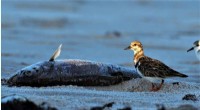
* Biological Interactions: These are the relationships between different organisms within an ecosystem. These relationships can be beneficial, harmful, or neutral to the organisms involved.
Let's examine the specific examples you mentioned:
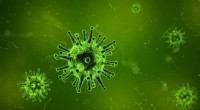
* Disease Predators: This refers to organisms that prey on pathogens, like bacteria or viruses. For example, some types of bacteriophages (viruses that infect bacteria) are considered disease predators because they can kill harmful bacteria. This is a beneficial interaction for the host organism and a harmful interaction for the pathogen.
* Competition: This occurs when two or more organisms compete for the same limited resources, such as food, water, space, or mates. Competition can be between individuals of the same species (intraspecific competition) or between individuals of different species (interspecific competition). This interaction can be harmful to both organisms involved, as it limits their access to resources.
In summary: Both disease predators and competition are types of biological interactions that shape the dynamics of ecosystems.