Here's why:
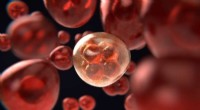
* Barrier: The cell membrane acts as a barrier, controlling what enters and exits the cell. This is essential for maintaining the cell's internal environment and protecting it from harmful substances.
* Selectively Permeable: The cell membrane is selectively permeable, meaning it allows some substances to pass through while blocking others. This is vital for the cell to obtain nutrients, eliminate waste products, and maintain its internal balance.
* Structure: The cell membrane is composed of a phospholipid bilayer, with embedded proteins that perform various functions, including transport, communication, and recognition.
While other structures like the cell wall (in plants, bacteria, and fungi) and the glycocalyx (a layer of carbohydrates on the cell surface) also contribute to protection, the cell membrane is the primary protective barrier.