What are alleles?
* Alleles are alternative forms of a gene. For example, the gene for eye color might have an allele for blue eyes and an allele for brown eyes.
* Each individual inherits two alleles for each gene, one from each parent.
How do allele frequencies change?
* Natural Selection: Individuals with certain alleles are more likely to survive and reproduce in a particular environment. This means they pass on their beneficial alleles more often, increasing the frequency of those alleles in the population.
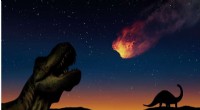
* Genetic Drift: Random fluctuations in allele frequencies, especially in small populations. This can happen due to chance events like natural disasters or founder effects.
* Gene Flow: The movement of individuals (and their alleles) between populations. This can introduce new alleles or change the frequency of existing alleles.
* Mutation: Random changes in the DNA sequence. While mutations are rare, they are the ultimate source of new alleles.
What does this change lead to?
* Adaptation: Over time, these changes in allele frequencies can lead to populations becoming better suited to their environment.
* Speciation: When populations become so genetically distinct that they can no longer interbreed, they form new species.
In short: Evolution is not about individuals changing, but about changes in the genetic makeup of a population over generations. It's about the frequency of different alleles within a population shifting, ultimately leading to adaptations and potentially, new species.