Here's a breakdown:
1. Genetic Variation:
* Mutations: Random changes in an organism's DNA sequence are the ultimate source of new genetic variation. These changes can be beneficial, harmful, or neutral.
* Sexual Reproduction: The mixing of genes from two parents during sexual reproduction creates new combinations of alleles (different forms of a gene), further increasing genetic diversity within a population.
2. Natural Selection:
* Differential Survival and Reproduction: Organisms with traits better suited to their environment are more likely to survive, reproduce, and pass on those advantageous traits to their offspring.
* Environmental Pressure: Factors like climate change, food availability, predators, and diseases exert pressure on populations, favoring individuals with specific traits that allow them to better cope with these challenges.
* Accumulation of Beneficial Traits: Over generations, the frequency of these advantageous traits increases in the population, leading to a gradual shift in the overall characteristics of the species.
Key Points:
* Gradual Change: Evolution is a gradual process that occurs over many generations.
* Adaptation: Natural selection leads to adaptation, where organisms become better suited to their environment.
* Not Random: Evolution is not a random process. While mutations are random, natural selection is a deterministic process that favors traits that increase survival and reproduction.
Example:
Imagine a population of beetles living in a forest. Some beetles have green shells, while others have brown shells. If the forest floor becomes covered in brown leaves due to a change in climate, the brown-shelled beetles will be better camouflaged from predators, making them more likely to survive and reproduce. Over time, the frequency of brown-shelled beetles will increase in the population, leading to an evolutionary change.
Modern scientific tools:
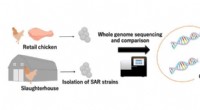
* Genomics: Studying the genomes of different species and populations helps us understand the genetic basis of evolution.
* Fossil Record: Fossils provide evidence of past life and the changes that have occurred over time.
* Comparative Anatomy: Comparing the anatomy of different species helps us understand their evolutionary relationships.
Understanding the mechanisms of evolution is essential for understanding the diversity of life on Earth and for addressing challenges such as antibiotic resistance and climate change.